 How-to
Organizational Development Coaching: A Practical Guide
Table of Contents
- What Organizational Development Coaching Actually Is
- Organizational Coaching Benefits: Why It Matters Beyond Training
- How Organizational Development Coaching Works in Practice
- Organizational Development Coaching Examples: Real Scenarios
- Measuring Coaching Effectiveness and Organizational Impact
- Choosing an Organizational Development Coach: What to Look For
- When Coaching Is the Right Intervention (and When It Isn't)
- Frequently Asked Questions
Last Updated: October 21, 2026
What Organizational Development Coaching Actually Is
Organizational development coaching is the practice of working with leaders, teams, and entire organizations to strengthen how they function together. It's not about fixing individual performance problems. It's about building the systems, behaviors, and rhythms that allow people to do their best work.
If your organization were a band, organizational development coaching isn't about teaching the trumpet player to hit higher notes. It's about helping the ensemble play in time and create something coherent together.
The goal is systemic change. That means shifting how decisions get made, how people communicate, how accountability works, and how your culture actually operates, not just what your values statement says it should be.
Most organizations have tried training. Workshops happen, people nod along, and three weeks later nothing has changed. Awareness without rhythm doesn't produce results.
Organizational Coaching Benefits: Why It Matters Beyond Training
Leaders often say they've invested in development before and it didn't stick. The problem isn't the content. Isolated training events don't create lasting change.
Organizational coaching benefits are different because they address the root. When you work with a coach on your leadership rhythm, you're not learning theory. You're practicing new behaviors in real situations, getting feedback on what's working, and building accountability into the process.
Here's what often happens:
-
Leaders gain clarity on what matters most. Strategy looks good on paper. But when a leader works through organizational coaching, they get clear on what they actually need to do differently, and why. That clarity cascades through the organization.
-
Communication improves because leaders practice it. Better communication isn't a one-time fix. It's a rhythm. Coaching helps leaders see their patterns, adjust them, and reinforce new ones over time.
-
Teams become more aligned. When leaders are clearer about decisions and more consistent in how they communicate them, teams stop wasting energy on confusion and politics. They know what's expected.
-
Culture actually shifts. Culture isn't what you say it is. It's what gets rewarded, what gets tolerated, and what gets addressed. Organizational development coaching changes those patterns.
-
Accountability becomes real. Not punitive, real. People know what success looks like. They know how they're being measured. And they know their leader is serious about following through.
The most valuable benefit is this: sustainable change. Not a spike in engagement scores that fades in six months. Actual, lasting shifts in how the organization operates.
How Organizational Development Coaching Works in Practice

Organizational development coaching isn't a generic process. But there are some core elements that show up in most engagements.
Assessment first. The coach doesn't start by telling you what to do.
Clarity on the real problem. Most organizations think they have one problem when the real issue is somewhere else. Maybe you think your problem is accountability, but people don't understand the strategy.
Work with leaders and teams together. Some sessions are one-on-one. Some are with the leadership team. Some include broader team conversations.
Reinforcement and accountability. This is where most initiatives fail. The coaching doesn't end with a report. It includes ongoing check-ins, follow-up conversations, and real accountability for applying what you're learning. That's what creates rhythm.
The Rhythm Leadership Approach
At Dr. Terry Daniels | The Rhythm Coach, the Rhythm Leadership approach is built on a simple idea: sustainable leadership effectiveness comes from intentional, repeated behaviors, not isolated big moments.
Every interaction has a beat. How you respond to a crisis. How you listen in a meeting. How you follow up on a commitment. How you address something that's not working. Those moments, repeated over time, create your leadership rhythm.
Most organizations focus on the big moments: the town hall, the strategic offsite, the reorganization announcement. Those matter far less than the regular rhythms of leadership. How you show up. How consistent you are. How you reinforce what matters.
Rhythm Leadership coaching identifies which rhythms matter most for your organization and helps leaders develop them.
When those rhythms are intentional and reinforced, organizations transform. Not because of a big initiative. Because of what happens every day.
Organizational Development Coaching Examples: Real Scenarios
Real organizational development coaching examples show up in different ways depending on what the organization needs.
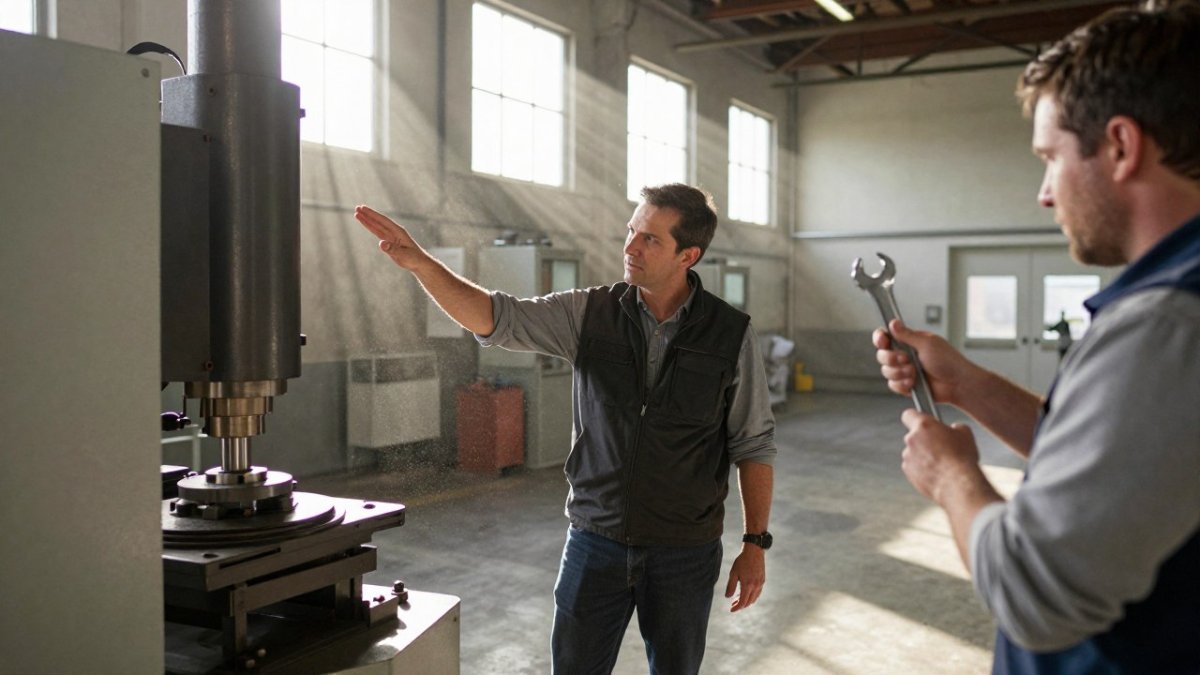
A manufacturing plant struggling with accountability. The leadership team had processes in place, but people weren't following through. The real issue was that leaders weren't consistently addressing it when people dropped the ball. Coaching helped the team develop a rhythm of accountability: weekly huddles where follow-through was reviewed and consistent conversations when commitments weren't met.
A growing company losing its culture. As the organization scaled, the founder tried to do everything. People felt disconnected, strategy wasn't clear, and the team was reactive.
A new executive in a complex role. A leader brought in from outside had strong credentials but struggled to navigate the politics and build credibility.
These examples show a pattern: the coaching isn't about fixing one person or one problem. It's about helping leaders and organizations develop the rhythms that create sustainable results.
Measuring Coaching Effectiveness and Organizational Impact
This is where most coaching conversations stop too early. Leaders ask: "How do I know this is working?"
Measuring coaching effectiveness means looking at multiple levels. First, the individual leader. Are they behaving differently? More self-aware? Making different decisions? That's usually visible quickly in how they show up in meetings and respond to challenges.
Second, the team. Do people feel clearer about direction? Is communication better? Are decisions faster? These shifts usually show up within a few months if the coaching is working.
Third, the organization. Are results improving? Is turnover changing? Is the culture shifting the way you want? These metrics matter most but take longer, because they're downstream from behavior change.
Here's what can be tracked:
-
Behavior change. Did the leader follow through on what they committed to? Are they practicing the new rhythms? Consistency matters more than perfection.
-
Team response. How are people reacting? Do they feel more aligned? More trusted? More clear? Direct feedback from the team is critical.
-
Business results. Better alignment often leads to faster decision-making. Clearer communication reduces rework. Better accountability improves execution. Look for metrics that matter to your business.
-
Sustainability. The real test is what happens six months after coaching ends. Did the changes stick? Are the new rhythms still in place? Or did things drift back?
Most organizations measure too early or focus on the wrong metrics. Coaching effectiveness isn't about how good people feel in the moment. It's about sustained behavior change and organizational results.
Choosing an Organizational Development Coach: What to Look For
Not all coaches are the same. Some focus purely on individual development. Some specialize in team dynamics. Some understand organizational systems.
Look for experience with your type of organization. A coach who's worked with manufacturing companies understands different pressures than one who's only worked with tech startups. That context shapes what's realistic.
Look for someone who asks good questions before offering solutions. A coach who arrives with a preset program hasn't done the work to understand your organization.
Look for someone who focuses on behavior change, not just awareness. Anyone can make you aware of something. Real coaching is about changing what you actually do. That requires accountability, reinforcement, and follow-through over time.
Look for someone who understands organizational systems. Leadership doesn't happen in a vacuum. A coach needs to understand how decisions flow, how communication actually works, and where the real power dynamics sit.
Credentials, Certification, and Coaching Background
Credentials matter, but they're not the whole story. Look for coaches who have:
-
Real organizational experience. Have they worked inside organizations? That matters more than a coaching certification alone.
-
Relevant training. Look for coaches trained in organizational development, executive coaching, or leadership development. Some coaching certifications are rigorous. Others are less so. Ask about their training and what it covers.
-
Proven track record. Ask for examples of work they've done. What kinds of organizations? What were the results? How do they measure success? A good coach can show you real examples of impact.
-
Ongoing learning. Leadership and organizational development keep evolving. A good coach stays current and adjusts their approach based on what's working.
When Coaching Is the Right Intervention (and When It Isn't)
Coaching isn't the answer to every organizational problem. Sometimes it's the right move. Sometimes it isn't.
Coaching is the right choice when:
-
You have capable leaders who aren't performing at their potential and need to be more strategic, self-aware, or intentional about their leadership rhythm.
-
You're facing significant change and need leaders aligned on how they lead through it.
-
Your culture is drifting and leaders need to be more consistent about the rhythms they create.
-
A new leader in a critical role needs to build credibility and understand the dynamics quickly.
-
You're stuck and need an outside perspective to see the problem differently.
Coaching is probably not the right choice when:
-
The performance problem is really a competency gap. If someone lacks the skills to do their job, training might help. Coaching won't.
-
The problem is structural. If your organization is set up in a way that doesn't work, coaching the leaders won't fix it. Change the structure.
-
A leader's values don't align with your organization's. Coaching won't change that. You may need a different decision about that person.
-
You want a quick fix. Coaching requires time, commitment, and follow-through.
-
You lack organizational readiness. If the rest of the organization isn't ready to support the changes, they won't stick.
The best use of organizational development coaching is when you have capable leaders, organizational readiness, and a genuine commitment to change. That's when the rhythm shifts and sustainable results follow.
Effective leadership isn't built on big moments or one-time initiatives. It's built on rhythm: the intentional, repeated behaviors that create culture, alignment, and results.
That's where organizational development coaching creates real impact. It helps you identify which rhythms matter most, helps leaders develop them with intention and accountability, and helps your organization function as a true system.
If you're ready to strengthen your leadership rhythm and build sustainable organizational change, start a conversation with Dr. Terry Daniels. We can help you assess where you are, what's possible, and what it would take to lead your organization at a higher level.
Frequently Asked Questions
How does organizational development coaching differ from executive coaching?
Executive coaching typically focuses on individual leader development, strengthening one person's presence, decision-making, or emotional intelligence. Organizational development coaching takes a broader systemic view. It addresses how leaders, teams, and systems interact; how culture shapes behavior; and how to align people and strategy around shared goals. OD coaching often involves multiple stakeholders and aims at sustainable organizational change, not just individual growth.
How do you measure the impact of organizational development coaching?
Measurement starts with clarity about your goals. Are you improving retention, engagement, decision-making speed, or culture alignment? Track leading indicators (like coaching participation, behavioral feedback, communication patterns) and lagging indicators (turnover, engagement scores, business outcomes). The strongest approach combines 360-degree feedback, employee surveys, retention data, and business metrics tied to your coaching objectives. Avoid relying solely on participant satisfaction, that measures comfort, not change.
What are the main benefits of organizational development coaching?
Organizations typically see improved leadership effectiveness, stronger team collaboration, faster decision-making, and better culture alignment. Coaching builds coaching capability within the organization itself, leaders learn to coach their teams, creating a multiplier effect. It also drives sustainable behavior change because it combines awareness with accountability, practice, and reinforcement over time, not a one-day workshop that fades.
Is organizational coaching certification necessary for a coach to be effective?
Certification from bodies like the International Coach Federation (ICF) signals that a coach has met training, experience, and ethics standards. It's a meaningful credential. However, effectiveness also depends on the coach's background in organizational psychology, leadership experience, and ability to work with complex systems. Look for coaches who combine credible certification with deep organizational or HR experience and a track record with your industry or type of challenge.