 How-to
Is Leadership Coaching for Manufacturing Executives Worth It?
Last Updated: October 25, 2026
Quick Summary
Leadership coaching for manufacturing executives is worth it when it changes daily behavior on the floor, not just insight in a session. It pairs a leader with a coach who observes real work, targets two or three specific behaviors, and builds accountability and reinforcement so the change holds under pressure.
- Coaching works through regular one-on-one sessions, floor observation, team feedback, and practice between sessions.
- A development plan should target two or three behaviors with a review point every 30 days.
- Plant manager skills like direct feedback and fast decisions are habits built through repetition, not traits.
- Measure progress with behaviors, outcomes, and observations, such as feedback frequency and near-miss reporting.
- Ask a prospective coach how they will observe you in real work and measure progress.
Table of Contents
- Why Leadership Coaching for Manufacturing Executives Is Different
- What Leadership Coaching for Manufacturing Executives Actually Involves
- Building a Manufacturing Leadership Development Plan That Sticks
- The Plant Manager Leadership Skills That Coaching Sharpens
- Leadership Communication in Manufacturing: Closing the Plant Floor Gap
- Leadership Coaching Questions for Executives to Ask Before You Commit
- How to Measure Whether Coaching Is Working
- Start the Conversation About Your Leadership Rhythm
- Frequently Asked Questions
Why Leadership Coaching for Manufacturing Executives Is Different
Leadership coaching for manufacturing executives is not the same work as coaching a software VP. The stakes are physical, the shifts run around the clock, and a bad decision on the floor shows up in scrap rates and safety incidents, not just a slide deck.
Research in the European Journal of Training and Development continues to examine how executive leaders view coaching's impact on self-awareness and performance. The setting changes the application. For a closer look at what actually works with this population, see leadership coaching for industrial managers.
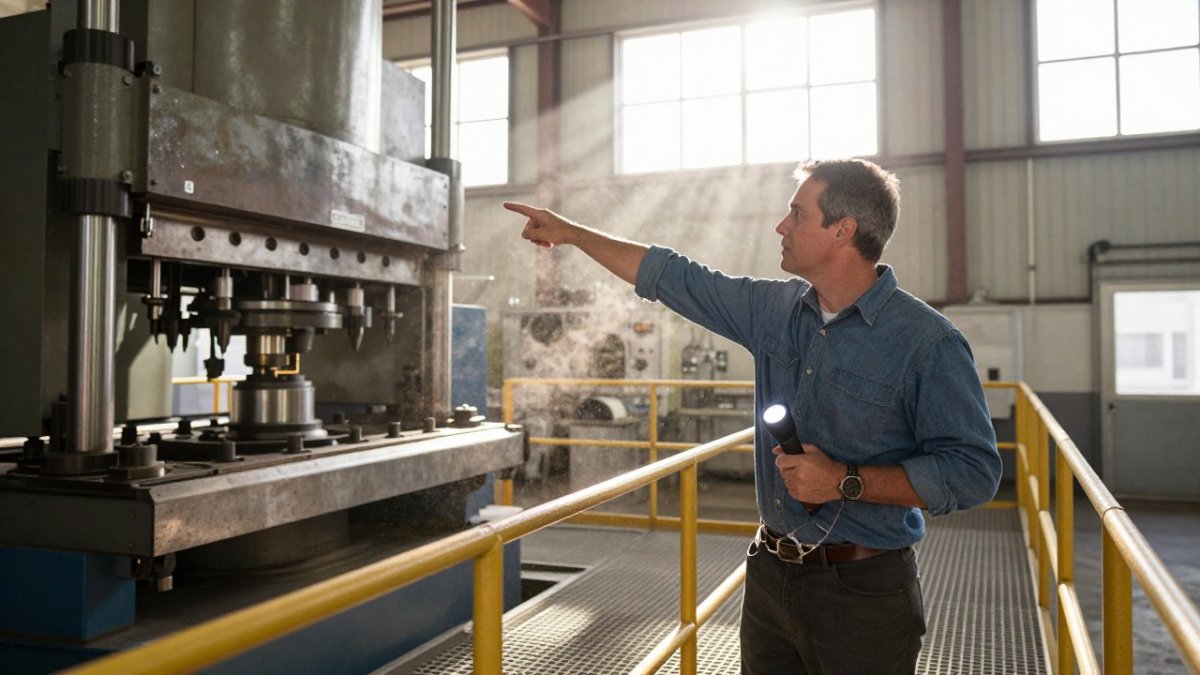
At Dr. Terry Daniels | The Rhythm Coach in Bowling Green, KY, we see the difference clearly. A plant leader cannot coach a team from behind a laptop. The work happens at the line, on the floor, in the middle of a shift change.
Manufacturing leaders face pressures their peers in other sectors rarely touch:
- Safety incidents with real consequences
- Union dynamics and shift schedules
- Equipment downtime that cascades fast
- Hourly teams that spot problems before management does
Coaching here has to respect that rhythm. It cannot be a quarterly offsite. It has to fit the beat of the plant.
What Leadership Coaching for Manufacturing Executives Actually Involves
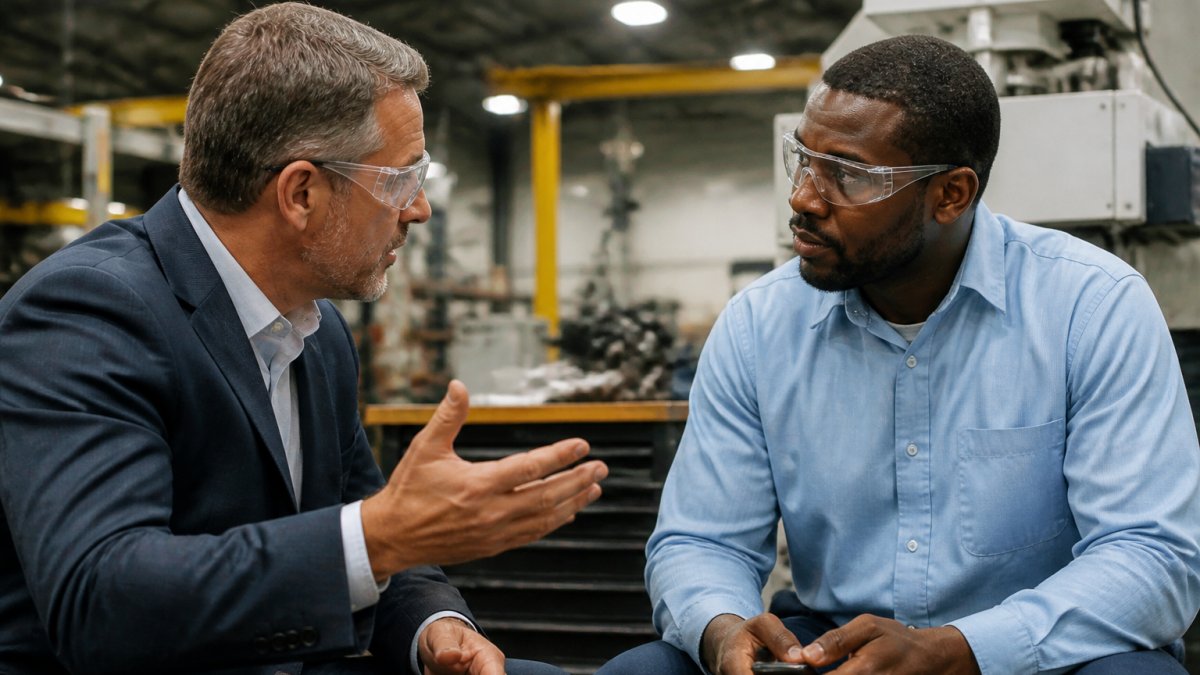
Coaching at this level is a structured relationship, not a pep talk. It pairs a leader with a coach who observes, questions, and challenges how that leader shows up day to day.
A 2025 study on coaching leadership in practice found that coaching helps leaders build confidence, insight, and the ability to set and hit meaningful goals. That is the outcome. The method is repetition.
Here is what the work typically looks like:
- Regular one-on-one sessions, often biweekly
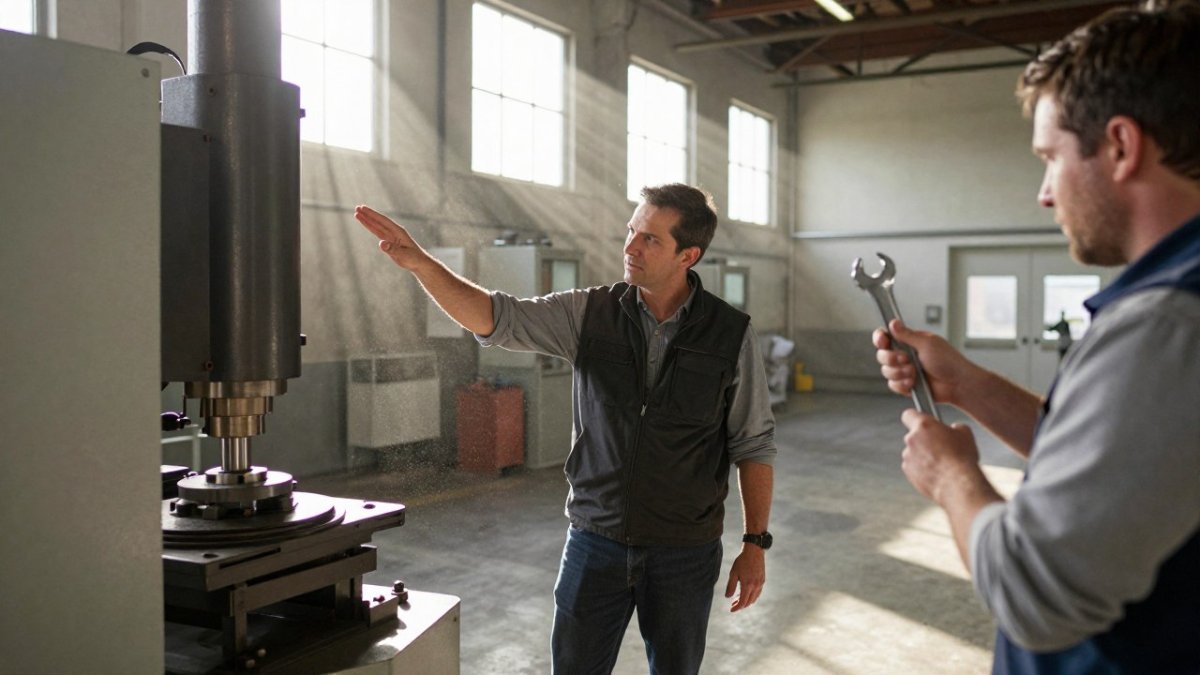
- Direct observation on the floor or in meetings
- Feedback loops with the leader's own team
- Practice between sessions, not just reflection
- A written plan with specific behaviors to change
The goal is not insight alone. It is a new leadership rhythm that holds under pressure.
Building a Manufacturing Leadership Development Plan That Sticks
Most development plans fail for one reason: they live in a binder. A manufacturing leadership development plan works only when it changes what a leader does on a Tuesday afternoon.
Recent work on coaching in manufacturing calls for practical coaching behaviors, consistent application, structured practice, and reinforcement in real operational work. That is the whole game.
For a deeper look at structuring this across an industrial organization, see our guide on leadership development.
A plan that sticks usually includes:
- Two or three behaviors, not twelve
- A clear way to practice each one weekly
- A person who holds the leader accountable
- A review point every 30 days
- Visible reinforcement from senior leadership
Awareness without application fades in weeks. Practice with accountability compounds.
The Plant Manager Leadership Skills That Coaching Sharpens
The plant manager sits at the center of everything: production, people, safety, and the numbers. Coaching sharpens the specific skills that role demands.
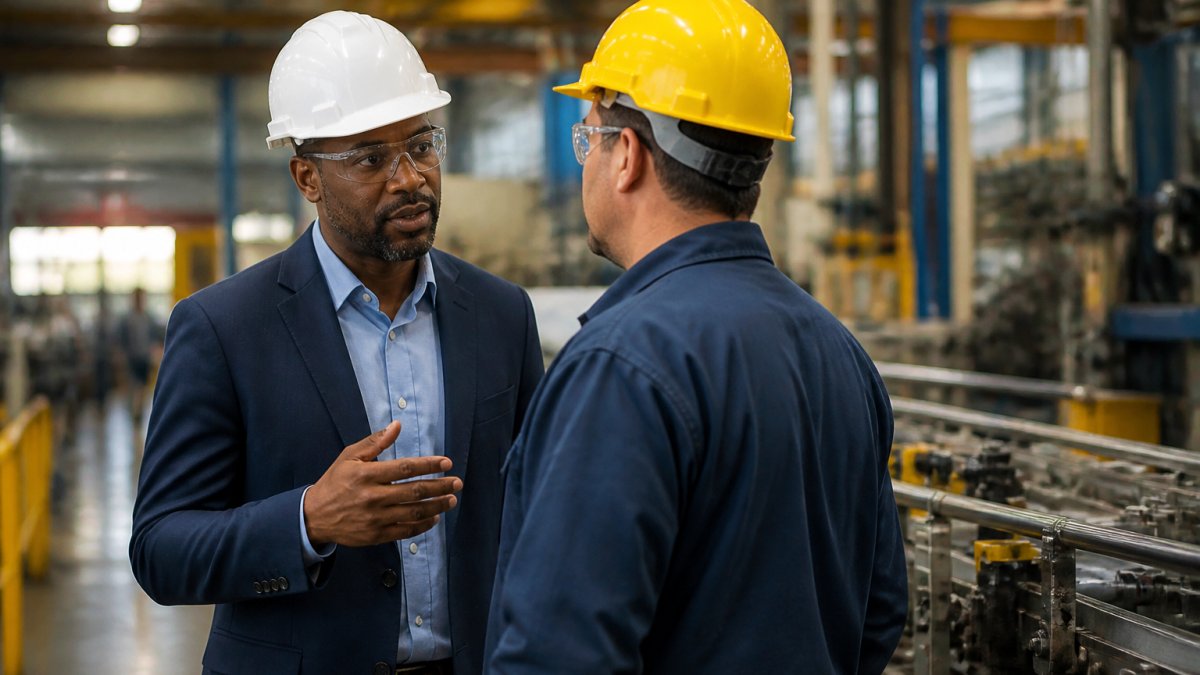
The skills we focus on most:
- Giving direct feedback without triggering defensiveness
- Running a shift handoff that surfaces problems early
- Holding accountability without micromanaging
- Making decisions fast with incomplete information
- Reading the floor before a small issue becomes a shutdown
What most guides miss is that these skills are habits, not traits. A plant manager who practices one clear feedback rhythm for 90 days will outperform one who reads ten leadership books.
Leadership Communication in Manufacturing: Closing the Plant Floor Gap
Leadership communication in manufacturing breaks down between the office and the floor. The gap is rarely about information. It is about rhythm.
Executives meet in the morning. The floor runs on shifts. If the message only travels one direction, trust erodes.
Closing that gap takes deliberate repetition:
- Walk the floor on a predictable schedule
- Share the "why" behind decisions, not just the "what"
- Ask questions and then actually listen
- Repeat key messages more than feels necessary
- Use shift huddles as a two-way channel
Every interaction has a beat. When leaders show up consistently, the floor starts to trust the rhythm.
Leadership Coaching Questions for Executives to Ask Before You Commit
Before you sign anything, ask hard questions. The quality of your questions predicts the quality of your outcome.
Here are the questions we recommend every executive ask a prospective coach:
- What is your actual experience with manufacturing or industrial leaders?
- How will you observe me in real work, not just in sessions?
- What specific behaviors will we target first?
- How do you measure progress, and who sees the data?
- What happens if I am not seeing change after 60 days?
- How much of my calendar will this genuinely take?
- Can this scale to my leadership team across sites?
Once you are weighing whether to commit, review the details of executive coaching to see what the engagement actually involves.
If you have been in leadership for 20 years, do not assume coaching is beneath you. The most seasoned leaders often gain the most, because they have the context to apply feedback fast.
How to Measure Whether Coaching Is Working
You measure coaching the same way you measure any operational change: with behaviors, outcomes, and the observations of the people closest to the work.
Here is a simple scorecard we use to keep the conversation honest:
| What to Measure | How to Track It | What Good Looks Like |
|---|---|---|
| Feedback frequency | Team pulse survey, monthly | Leaders give direct feedback more often |
| Safety engagement | Near-miss reporting rates | Reports rise as trust grows |
| Shift handoff quality | Supervisor check-ins | Fewer surprises at shift change |
| Retention | Voluntary turnover by team | Turnover trends down over quarters |
| Accountability | Follow-through on commitments | Commitments met more consistently |
| Leader self-awareness | 360 review, pre and post | Gaps between self and others shrink |
If you want to make sure results hold after the engagement ends, consider how to sustain leadership development results.
The board wants proof. Behaviors and trends give it to them.
Start the Conversation About Your Leadership Rhythm
Manufacturing leadership is built in the small, repeated moments: the shift handoff, the floor walk, the hard conversation you did not avoid. Coaching helps leaders turn those moments into a rhythm that holds.
At Dr. Terry Daniels | The Rhythm Coach, we work with manufacturing and industrial leaders nationally, with roots in Bowling Green, KY. Our approach draws on organizational psychology, decades of HR and organizational leadership experience, and the Rhythm Leadership Model. We focus on sustainable behavior change, not one-time events, and we build accountability and reinforcement into the work so it lasts.
If you are looking for leadership coaching near me for your plant or executive team, we would welcome the conversation.
Get started with Dr. Terry Daniels and build a leadership rhythm your organization can feel.
Frequently Asked Questions
What does leadership coaching for manufacturing executives involve?
It is a structured, one-on-one relationship built around your actual operating reality: shift handoffs, capital decisions, safety accountability, and the daily rhythm of a plant. Sessions typically combine assessment, reflection, and practice on specific behaviors, such as how you run a floor walk or deliver feedback after a near miss. Coaching helps leaders build confidence, insight, and the ability to set and reach meaningful goals. The work is applied, not theoretical.
How is leadership coaching different from manufacturing leadership training?
Training transfers information to a group in a defined window. Leadership coaching changes behavior in one leader over time, with feedback and accountability between sessions. A manufacturing leadership development plan can include both, but they do different jobs. Training without reinforcement rarely produces lasting change, which is why a coaching rhythm of practice, observation, and adjustment matters more than a single workshop. If your last program faded within a quarter, the missing piece was likely follow-through, not content.
How long does executive coaching take to show progress?
Most leaders notice a shift in self-awareness and communication within the first several sessions, while durable behavior change takes longer because it requires repetition and reinforcement. The honest answer is that progress depends on how specifically you define the goal. Set two or three observable targets up front, such as running a more effective shift huddle or giving corrective feedback within 24 hours, then review them at regular intervals. Vague goals like becoming a better leader are hard to measure and easy to abandon.
What should a manufacturing company look for in an executive coach?
Look for someone who understands industrial operations, not just boardrooms. Ask how they will learn your plant, how they handle confidentiality with direct reports, and what evidence they will bring to show behavior change. Credentials in organizational psychology and real experience in manufacturing leadership help. Ask directly: what will be different on the floor in six months, and how will we know? A coach who cannot answer that in concrete terms is selling inspiration rather than results.
How can leaders sustain behavior change after coaching ends?
Build the reinforcement into your operating rhythm before the engagement closes. That means a peer or mentor who continues to give feedback, a standing review of the behaviors you worked on, and a written plan your team knows about. Sustainable change comes from intentional, repeated behaviors rather than a single insight. Decide in advance which meetings, huddles, or one-on-ones will carry the new habits forward, and who will hold you accountable when the old patterns creep back.
Your plant does not need another binder of leadership theory. It needs leaders who show up consistently. Reach out through our inquiry page and let's talk about what that could look like for your team.